
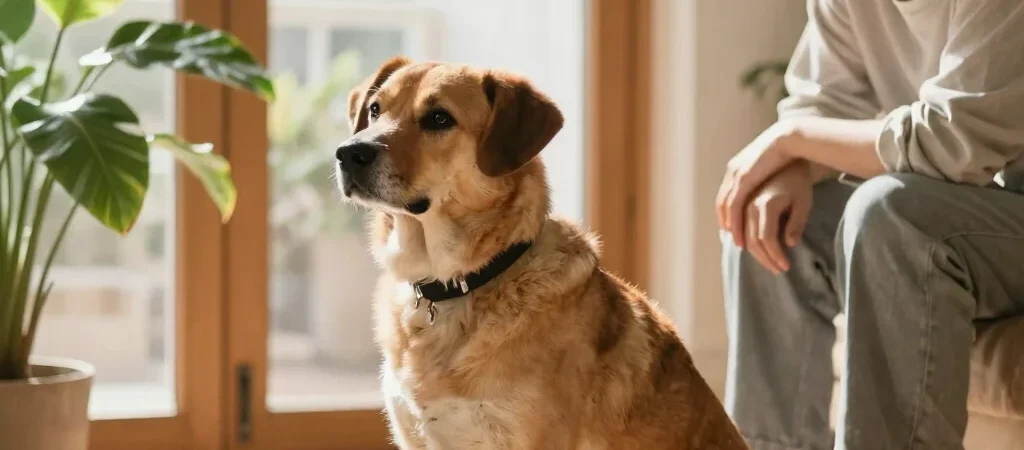
The food bowl is filled, the leash is by the door, and your pet is already telling you something about the morning. A two-minute check-in turns those familiar moments into a simple way to notice your pet’s usual patterns—without turning everyday care into a checklist of worries.
Notice the familiar patterns
Watch how your pet gets up, walks across the room, and responds when you approach. Notice appetite and water habits, too, using the same general times of day as your reference point. A dog who usually bounds to the door and a cat who prefers a slow stretch have different baselines.
You do not need to record every meal or movement. If something seems notably different and stays that way, jot down when you first noticed it and what else changed. Specific notes are more useful than a vague memory of “something being off.”
Fit it into the routine
Pair the check-in with something you already do: filling a water bowl, clipping on a leash, or opening the curtains where your cat likes to nap. Keep the setting calm and let your pet approach rather than insisting on a hands-on inspection. Familiarity matters more than covering every detail.
The point is not to judge a pet by one quiet morning or missed play session. It is to learn what ordinary looks like at home, so a meaningful change is easier to describe and discuss with a veterinary professional when needed. Start with one routine moment tomorrow.